Crochet Patterns for Beginners – Learn to Understand Symbols and Abbreviations

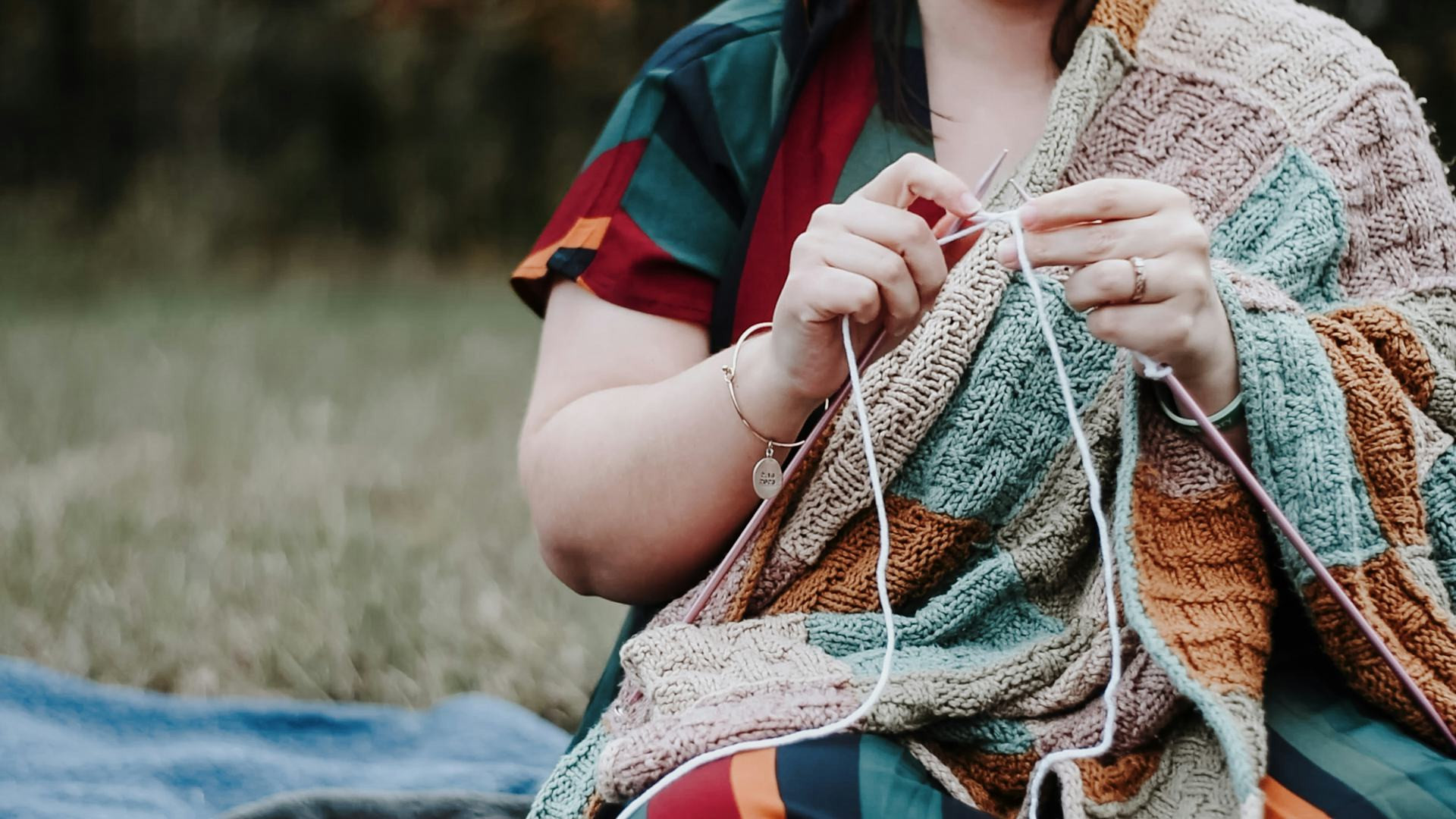
Crochet Patterns for Beginners – Learn to Understand Symbols and Abbreviations
Learning to crochet opens up a world of creativity, color, and cozy hours spent with yarn and hook. But for many beginners, reading a crochet pattern can feel overwhelming—especially when it’s filled with abbreviations and tiny symbols that look like a secret code. The good news is that there’s a clear logic behind it all. Once you understand the system, even the most detailed patterns become much easier to follow. Here’s a guide to help you learn how to read and understand crochet symbols and abbreviations.
Why Use Symbols and Abbreviations?
Abbreviations and symbols make crochet patterns more concise and easier to read. Instead of writing out “single crochet in each stitch around,” a designer can simply write “sc in each st around.” This saves space and helps you keep a steady rhythm as you work.
Symbols are especially useful in crochet charts, where each stitch is represented by a small visual mark. While charts may look intimidating at first, many crocheters find that they make it easier to see how the pattern develops visually rather than reading long lines of text.
The Most Common Abbreviations
When reading American crochet patterns, you’ll come across a set of standard abbreviations used again and again. Here are some of the most common ones:
- ch – chain
- sc – single crochet
- hdc – half double crochet
- dc – double crochet
- sl st – slip stitch
- st – stitch
- rnd – round
- row – row
- inc – increase (two stitches in the same stitch)
- dec – decrease (two stitches worked together)
Once you know these, you’ll be able to read most beginner-level patterns. Many patterns also include a key or abbreviation list at the beginning, so you can always double-check if something is unfamiliar.
Symbols in Crochet Charts
A crochet chart is a visual representation of a pattern, where each stitch is shown as a symbol. Charts are usually read from the bottom up—and from right to left on odd-numbered rows if you’re working back and forth. For projects worked in the round, you follow the chart in a spiral or circular direction.
Here are some of the most common symbols you’ll see:
- A small oval or circle = chain stitch
- A plus sign or “x” = single crochet
- A “T” with one line through it = double crochet
- A “T” with a half line = half double crochet
- A small dot = slip stitch
Once you learn to recognize these symbols, you can quickly visualize how the pattern will look. This is especially helpful for motifs like flowers, granny squares, or lace patterns, where repetition and symmetry are key.
How to Read a Pattern Step by Step
- Start with the abbreviation key. Read through it so you know what each abbreviation means.
- Look for pattern repeats. Many patterns use parentheses or asterisks (*) to show which sections should be repeated.
- Count your stitches. Make sure the stitch count matches at the end of each row or round—this is essential for keeping your project even.
- Use stitch markers. Place a marker at the beginning of each round or repeat to help you stay on track.
- Refer to the chart. If the pattern includes a chart, use it as a visual guide while you crochet.
Helpful Tips for Beginners
- Practice with small swatches. Try out different stitches and combinations on small squares before starting a big project.
- Use light-colored yarn. It’s easier to see your stitches when you’re learning.
- Choose the right hook size. A hook that’s too small makes your work tight, while one that’s too large can make it loose and uneven.
- Be patient. It takes time to get the rhythm in your hands—but once you do, crocheting becomes wonderfully relaxing.
When You’re Ready for the Next Step
Once you’re comfortable with basic symbols and abbreviations, you can start exploring more advanced patterns. Try making a small basket, a headband, or a classic granny square. These projects use a mix of single, half double, and double crochet stitches—and you’ll see how different stitches create texture and pattern.
Over time, you’ll also be able to read patterns from other countries. Many crochet symbols are universal, so once you understand the basics, you can follow designs from all over the world.
Læs også:

Crochet Patterns as a Universal Language
Although abbreviations and symbols may seem technical at first, they’re really a shared language among crocheters. Whether you’re in the U.S., Japan, or Denmark, you can often understand a pattern just by recognizing the symbols. Crochet connects people across cultures through creativity and craftsmanship.
So the next time you see a pattern filled with mysterious letters and marks, remember: they’re not secret codes—they’re the key to creating something beautiful with your own hands.
Læs også: