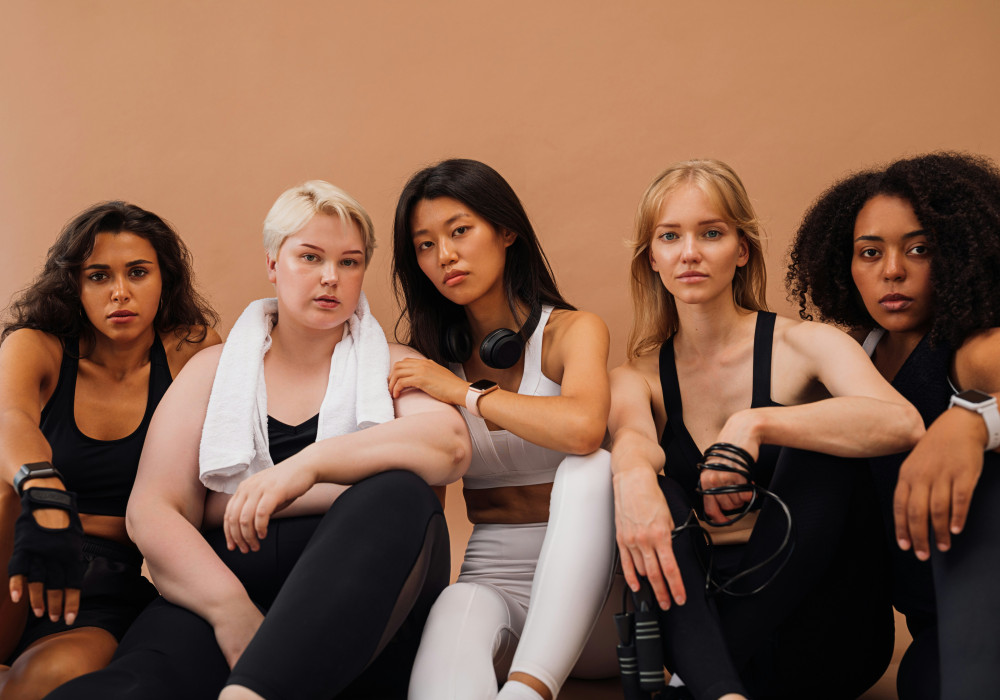
Know Your Rights: Why Equality Still Matters


Know Your Rights: Why Equality Still Matters
The United States has made tremendous progress toward equality over the past century, from the civil rights movement to the fight for gender and LGBTQ+ rights. Yet, despite these achievements, true equality remains a work in progress. Disparities in pay, representation, and access to opportunities continue to shape people’s lives. Understanding your rights—and why equality still matters—is essential to building a fairer, stronger society for everyone.
Equality Is More Than Equal Pay
When Americans talk about equality, the conversation often starts with the gender pay gap. And it’s true: according to data from the U.S. Census Bureau, women still earn less than men on average, even when education and occupation are taken into account. But equality is about more than just paychecks.
It’s about being treated with respect, having equal access to career advancement, and being free from discrimination based on gender, race, age, disability, or sexual orientation. It’s about being able to balance work and family life without penalty, and about being judged by your abilities—not by outdated stereotypes or assumptions.
Everyday Equality – The Small Things That Matter
Equality isn’t only about laws and policies; it’s also about everyday interactions. Who gets credit for ideas in meetings? Who’s expected to take notes or plan office events? Who’s interrupted more often? These small patterns reflect deeper social norms that still influence workplaces, schools, and communities.
Women often report having to prove their competence more than men, while men may feel pressured to conform to rigid expectations of strength or stoicism. True equality means freeing everyone from these narrow roles so that all people can express their full potential—at work, at home, and in public life.
Læs også:




Know Your Rights – And Use Them
Federal and state laws in the U.S. protect individuals from discrimination. The Equal Pay Act requires that men and women receive equal pay for equal work. Title VII of the Civil Rights Act prohibits discrimination based on race, color, religion, sex, or national origin. The Americans with Disabilities Act and the Age Discrimination in Employment Act extend protections to other groups. More recently, the Supreme Court affirmed that LGBTQ+ employees are also protected under federal law.
But these rights only matter if people know about them and feel empowered to act. If you experience discrimination, you can file a complaint with the Equal Employment Opportunity Commission (EEOC) or your state’s human rights agency. Many advocacy organizations also offer guidance and legal support. Knowing your rights is the first step toward enforcing them—and toward helping others do the same.
Equality Is Everyone’s Responsibility
While laws set the foundation, equality also depends on everyday choices. Employers can promote fairness by ensuring transparent pay structures, offering family-friendly policies, and fostering inclusive workplaces. Schools can challenge stereotypes by encouraging all students to explore diverse interests and career paths. And as individuals, we can all speak up when we see bias, listen to others’ experiences, and reflect on our own assumptions.
Equality grows stronger when it becomes part of our daily culture—not just a legal requirement, but a shared value.
Why Equality Still Matters
Equality is not a destination we reach once and for all; it’s an ongoing commitment. When we work toward equality, we strengthen our democracy, our economy, and our communities. We create a society where everyone—regardless of gender, race, or background—has the chance to thrive and contribute.
A fair and inclusive America is not just a moral goal; it’s a practical necessity for the future. Equality matters because it ensures that every voice counts, every talent is valued, and every person has the freedom to live with dignity and opportunity.
Læs også: