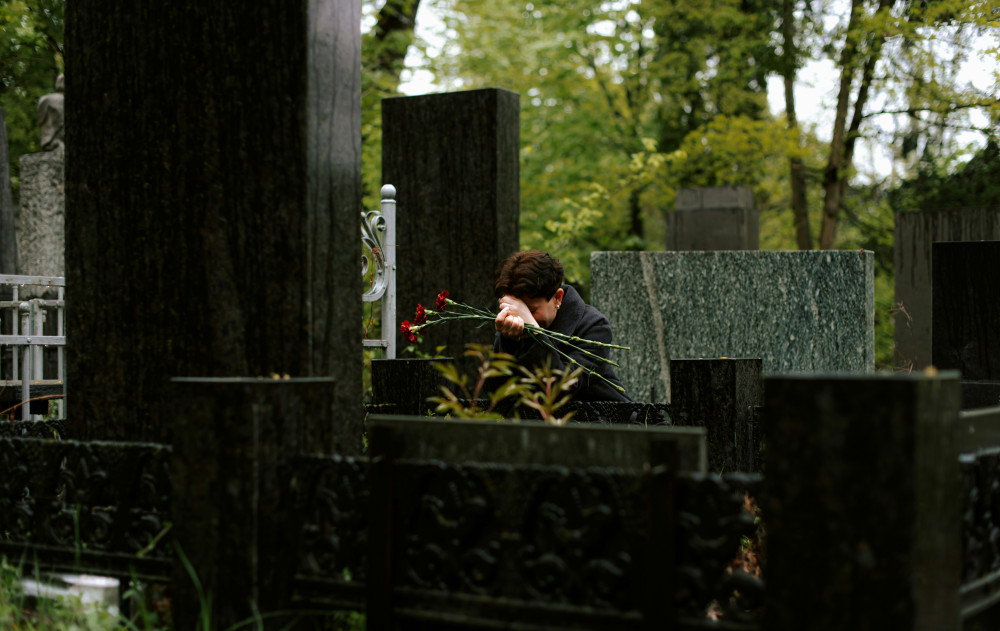
When the Body Grieves: Listen to the Physical Signals

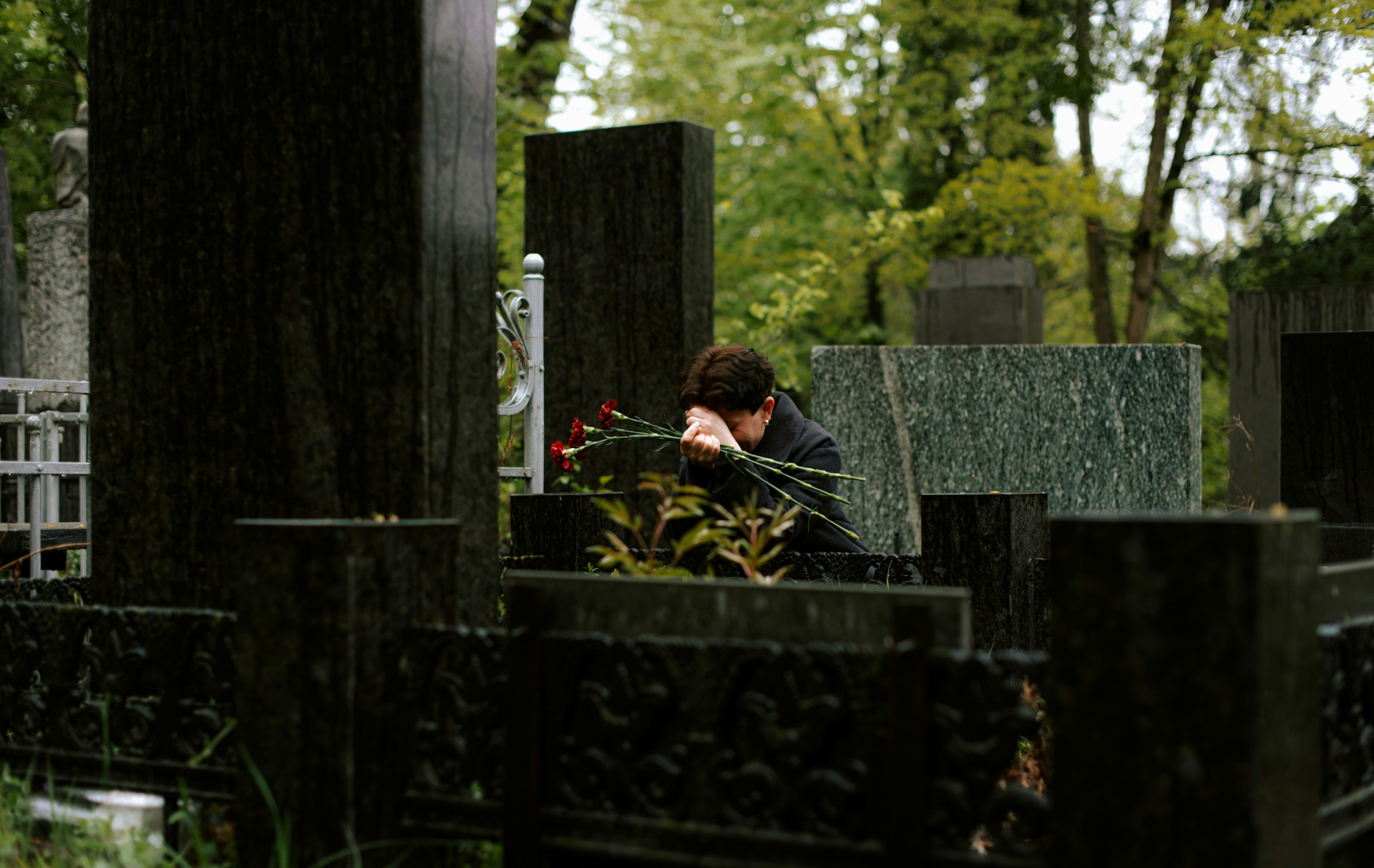
When the Body Grieves: Listen to the Physical Signals
When we lose someone we love, grief doesn’t just live in our hearts—it settles into our bodies. Many people notice sleeplessness, fatigue, muscle tension, or a heavy feeling in the chest. The body reacts because grief is a full-body experience, a process in which both mind and body struggle to adjust to a new reality. Learning to recognize and listen to these physical signals can be an important part of healing.
The Body as a Mirror of Emotion
Grief is a natural response to loss, but it can show up in many ways. Some people feel restless and anxious, while others feel numb or drained. The body responds to emotional strain by releasing stress hormones, disrupting sleep, and altering appetite. These changes are the body’s way of signaling that something profound has shifted.
It can help to view physical symptoms not as problems to be fixed, but as messages to be understood. When you feel tightness in your shoulders or a knot in your stomach, it may be your body’s way of expressing the weight of sorrow.
Common Physical Reactions to Grief
Although grief is deeply personal, there are some physical reactions that many people share:
- Fatigue and sleep disturbances – the body uses tremendous energy to process emotional pain.
- Changes in appetite – some people lose interest in food, while others eat more to find comfort.
- Muscle tension and headaches – especially in the neck, shoulders, and jaw, where we often “hold ourselves together.”
- Chest tightness or heart palpitations – grief can literally feel like heartache.
- Weakened immune system – prolonged stress and sadness can make the body more vulnerable to illness.
These reactions are not signs that something is wrong with you—they are signs that your body is working to adapt to loss.
Giving the Body Space to Respond
In a culture that often encourages people to “move on” quickly, it can be tempting to ignore what the body is saying. But the body needs time and care. Try to allow yourself to feel what’s happening without judgment.
- Gentle movement can help release tension and restore energy. It doesn’t have to be intense—walking, yoga, or stretching can make a difference.
- Breathing exercises can calm the nervous system. Slow, deep breaths can ease anxiety and bring a sense of steadiness.
- Rest is just as important as activity. Give yourself permission to sleep more, take breaks, and say no to extra demands.
Caring for your body is not a way of avoiding grief—it’s a way of supporting yourself as you carry it.
Læs også:



When the Body Signals a Need for Help
Sometimes the physical symptoms of grief become overwhelming. If you experience ongoing pain, sleeplessness, or anxiety that interferes with daily life, it may be time to seek professional support. A doctor, therapist, or counselor can help you understand the connection between body and mind and find ways to ease the strain.
Reaching out for help is not a sign of weakness—it’s an act of strength and self-respect.
Finding Balance Again
Over time, the body gradually finds a new equilibrium. The grief doesn’t disappear, but it changes shape. Many people notice that their energy slowly returns, sleep improves, and the body feels lighter. This doesn’t happen overnight, but in small, steady steps.
Listening to your body is a form of self-compassion. It tells you where you are and what you need. When you give it attention, you also help your mind heal.
Grief is not only something we think or feel—it’s something we experience physically. And that’s why the body is such an essential companion on the journey through loss.
Læs også: