Bridal Jewelry Through the Ages: Symbols of Love, Commitment, and Status

Bridal Jewelry Through the Ages: Symbols of Love, Commitment, and Status
For centuries, bridal jewelry has been far more than mere adornment. It has served as a symbol of love, commitment, and social standing—reflecting the values, aesthetics, and craftsmanship of each era. From ancient gold bands to today’s ethically sourced diamonds and personalized designs, bridal jewelry tells the story of how people have expressed devotion and identity through precious materials.
From Ancient Vows to Medieval Alliances
The tradition of exchanging rings dates back thousands of years. In ancient Egypt, the circular shape of the ring symbolized eternity, while gold represented the enduring strength of love. The Romans adopted the custom, often using iron rings to signify permanence and loyalty. Wealthier citizens, however, preferred gold, turning the ring into both a romantic and social statement.
During the Middle Ages, bridal jewelry took on deeper religious and social meanings. Engagement rings became formal tokens of betrothal, and gemstones such as sapphires and rubies were chosen for their symbolic associations with fidelity and passion. Jewelry was often part of a dowry, serving as a visible sign of alliances between families and a marker of social rank.
Renaissance Splendor and Baroque Opulence
The Renaissance brought a renewed appreciation for beauty, individuality, and artistry. Bridal jewelry became more elaborate, featuring engravings, miniature portraits, and religious motifs. Diamonds—newly popular thanks to improved cutting techniques—emerged as coveted symbols of wealth and refinement among Europe’s elite.
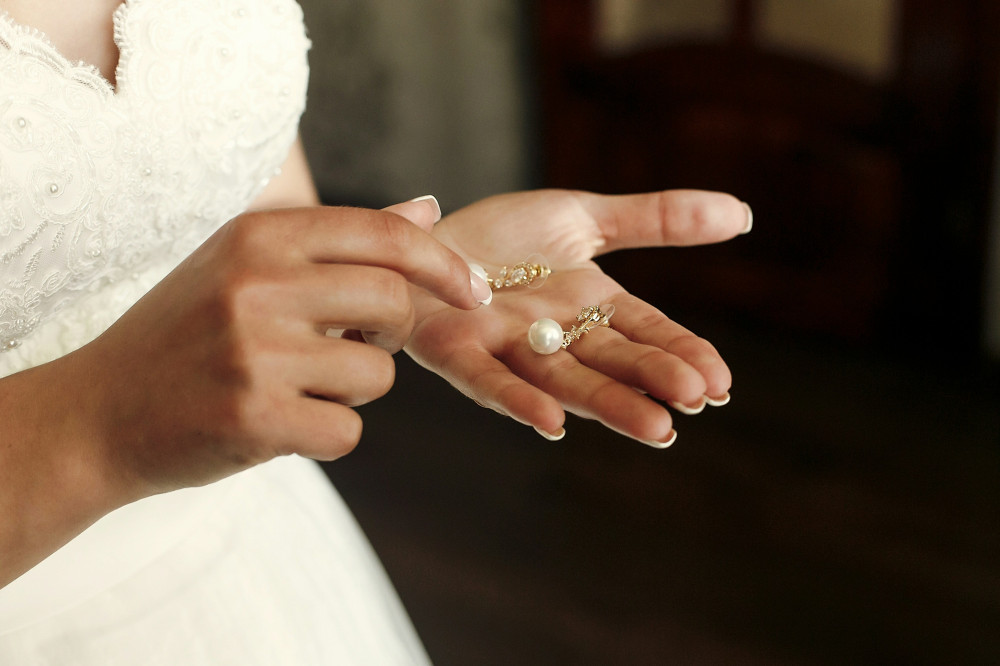
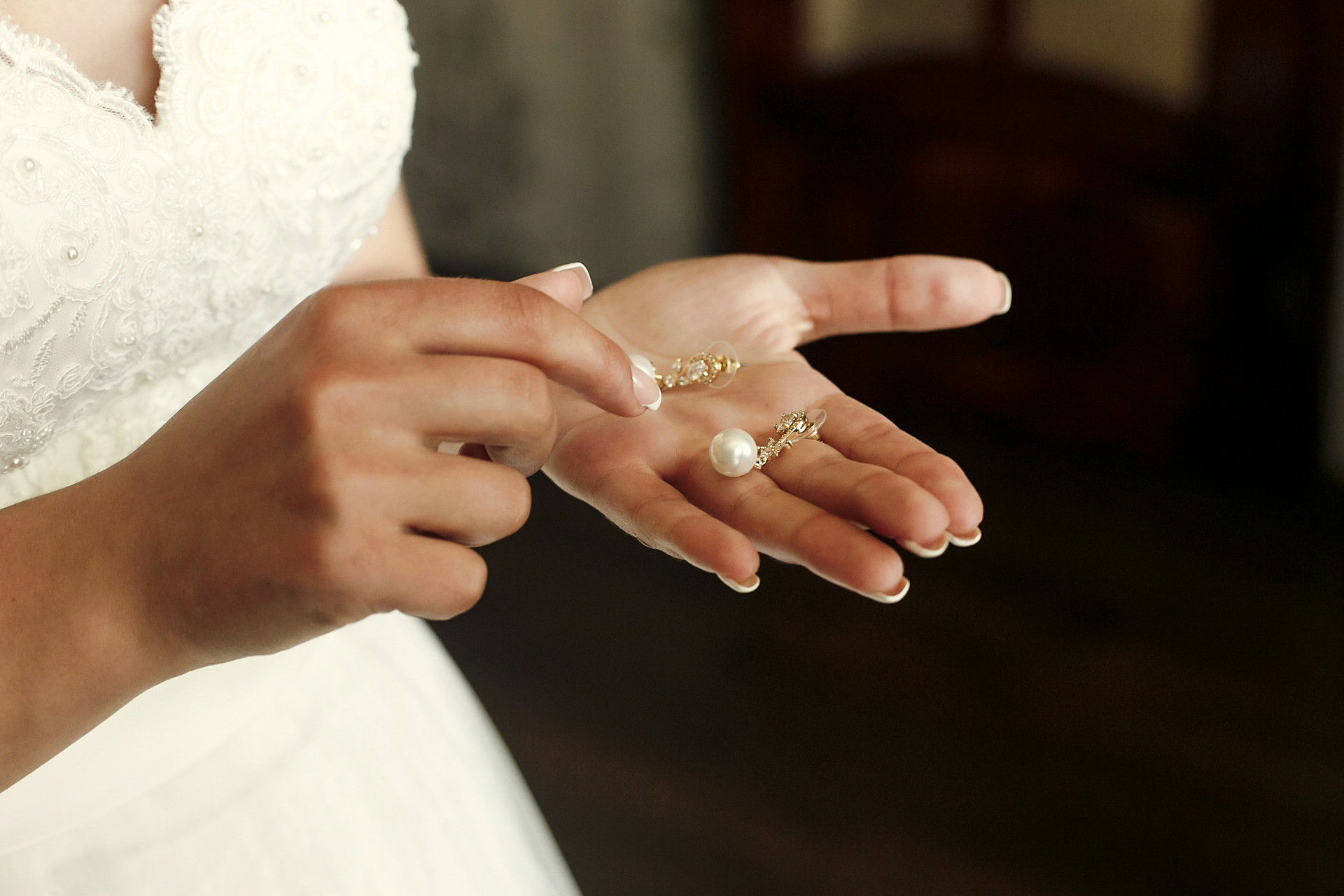
In the Baroque era, extravagance reached new heights. Brides adorned themselves with pearl necklaces, gemstone earrings, and ornate hairpieces, often heirlooms passed down through generations. These pieces were not only personal treasures but also political statements, showcasing a family’s prosperity and influence.
The 19th Century: Romance and the Rise of the Middle Class
The Victorian era infused bridal jewelry with sentiment and symbolism. Inspired by Queen Victoria’s own love story, designs featuring hearts, flowers, and initials became fashionable. The diamond engagement ring gained prominence, embodying the ideals of eternal love and devotion.
Industrialization transformed jewelry-making, making once-exclusive materials and techniques accessible to the growing middle class. For the first time, many could afford jewelry that mirrored aristocratic styles. Bridal jewelry thus became both a declaration of love and a reflection of social aspiration.
The 20th Century: Tradition Meets Modernity
The 20th century saw bridal jewelry evolve alongside changing cultural values. The sleek geometry of Art Deco in the 1920s and 1930s introduced platinum and bold design, while the postwar years revived classic diamond solitaires—thanks in part to De Beers’ iconic campaign declaring that “a diamond is forever.” The slogan cemented the diamond’s place as the ultimate symbol of enduring love in American culture.
By the 1960s and 1970s, individuality took center stage. Influenced by the counterculture and bohemian movements, many couples chose unconventional stones, handmade settings, or vintage pieces. Jewelry became a form of self-expression rather than adherence to tradition.
Læs også:



Today’s Bridal Jewelry: Personal Meaning and Ethical Choices
In the 21st century, bridal jewelry is more diverse and personal than ever. Some couples embrace timeless diamond rings, while others opt for colored gemstones, antique finds, or custom designs that tell their unique story. Sustainability has become a key concern—recycled gold, lab-grown diamonds, and ethically sourced materials are increasingly popular choices among American brides and grooms.
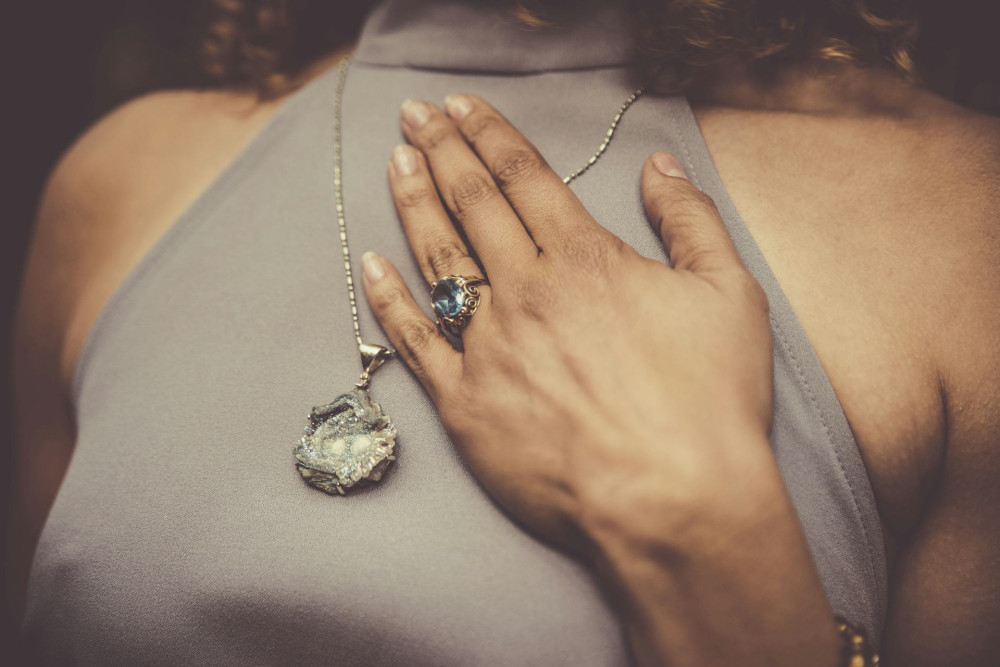
Heirloom jewelry has also regained significance. A grandmother’s pendant or a redesigned family ring carries emotional weight that transcends fashion, connecting generations through shared love and memory.
Jewelry as a Story of Love and Identity
Across time and cultures, bridal jewelry has served one enduring purpose: to tell a story. It marks a promise, celebrates love, and expresses identity. Today, it is less about displaying wealth and more about reflecting who we are and what love means to us personally.
From ancient gold bands to modern sustainable designs, bridal jewelry continues to embody the same timeless message—a lasting symbol of love, commitment, and unity.
Læs også: