The Meaning of Jewelry Across Cultures – Symbolism and Traditions


The Meaning of Jewelry Across Cultures – Symbolism and Traditions
For thousands of years, jewelry has been far more than decoration. It has served as a marker of status, a spiritual talisman, a declaration of love, and a link between generations. From the first shell and stone ornaments to today’s gold and gemstone designs, jewelry reflects human values, beliefs, and identity. But how does its meaning differ across cultures—and which traditions continue to shape the way we wear jewelry today?
Jewelry as a Symbol of Status and Power
Throughout history, jewelry has been closely tied to wealth and authority. In ancient Egypt, pharaohs and nobles wore heavy gold pieces as signs of divine power. Gold, associated with the sun, symbolized eternity and immortality. Similarly, in India, gold jewelry has long represented prosperity and social standing. It is also a form of financial security for women, often given as part of a wedding dowry and passed down through generations.
In Europe, jewelry historically reflected social hierarchy. Royalty and aristocrats adorned themselves with diamonds, pearls, and precious stones, while commoners wore simpler materials like silver or glass. The type of jewelry one wore told a story about one’s place in society.
Læs også:



Jewelry as Protection and Faith
Beyond status, jewelry has often carried spiritual or protective meaning. Across many cultures, people have believed that certain materials or symbols could ward off evil or bring good fortune. In the Middle East and North Africa, the evil eye amulet—often a blue glass bead—is worn to protect against envy and misfortune. In Christianity, the cross pendant has long symbolized faith and divine protection, while in Hinduism and Buddhism, jewelry featuring sacred symbols like the lotus flower or the Om mantra serves as a reminder of spiritual balance.
In Norse culture, Viking warriors wore pendants shaped like Thor’s hammer, Mjölnir, to invoke the god’s strength and protection. These pieces were both religious and personal, expressing faith as well as identity.
Love, Relationships, and Life’s Milestones
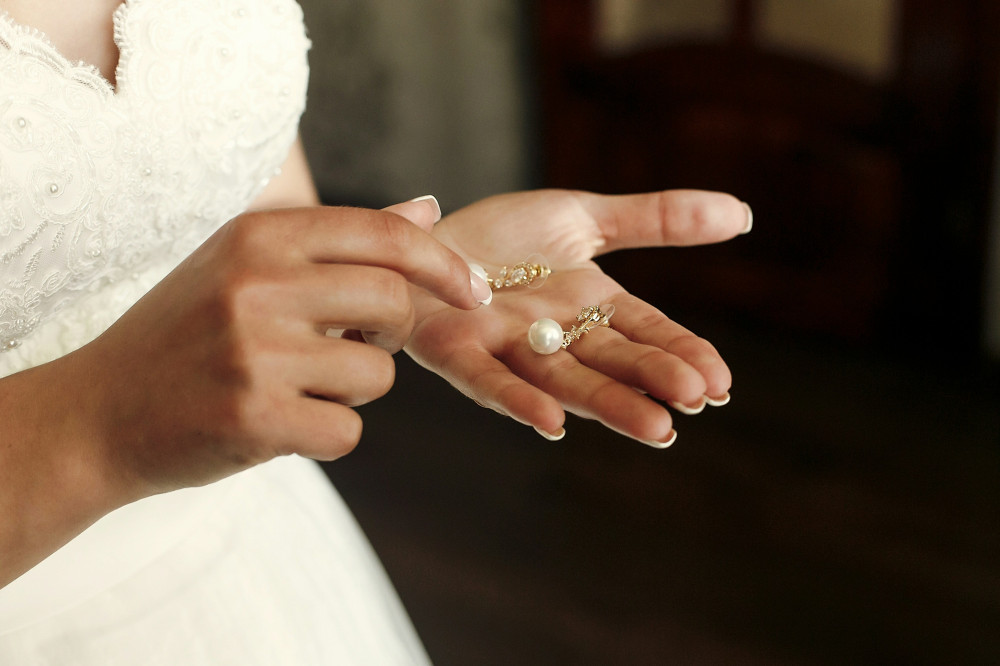
Jewelry plays a central role in human relationships. Engagement and wedding rings are perhaps the most universal examples of how jewelry symbolizes love and commitment. The circular shape of the ring—without beginning or end—represents eternity, a tradition that dates back to ancient times.
In many African cultures, jewelry is given to mark important life events such as births, coming-of-age ceremonies, and marriages. These pieces often carry deep family and cultural significance, symbolizing the transition from one stage of life to another.
Even today, jewelry continues to hold emotional meaning. A grandmother’s heirloom ring, a friendship bracelet, or a necklace given as a gift can embody memories and connections that far outweigh their material value.
Jewelry as Cultural Identity and Art
Jewelry is also a powerful expression of cultural identity. In many Indigenous communities, the design, color, and materials of jewelry are deeply connected to heritage and geography. For example, the Maasai people of East Africa use colorful beadwork to indicate age, social status, and family ties. In the American Southwest, Native American artisans craft turquoise and silver jewelry that reflects both spiritual beliefs and a deep connection to the land.
In Arctic regions, traditional jewelry has been made from natural materials such as bone, ivory, and stone, often carved with motifs inspired by local wildlife. These pieces tell stories about nature, survival, and the relationship between humans and their environment.
Today, designers around the world draw inspiration from traditional patterns and symbols, blending ancient craftsmanship with modern aesthetics. Jewelry thus becomes a meeting point between past and present—between culture, art, and personal expression.
The Meaning of Jewelry in a Globalized World
In a world where fashion and culture cross borders more freely than ever, jewelry has taken on new layers of meaning. Many people choose pieces that reflect their personal values—sustainability, craftsmanship, or cultural heritage. At the same time, traditional symbols are being reinterpreted in contemporary design: a cross may be worn as a fashion statement, while a bracelet of Buddhist prayer beads might represent mindfulness and peace.
Jewelry has become a form of storytelling—a visual language through which we express who we are and what we believe in. Across time and cultures, it remains one of humanity’s most enduring ways to connect beauty, meaning, and identity.
Læs også: