Light at Work: How to Create the Best Kitchen Lighting

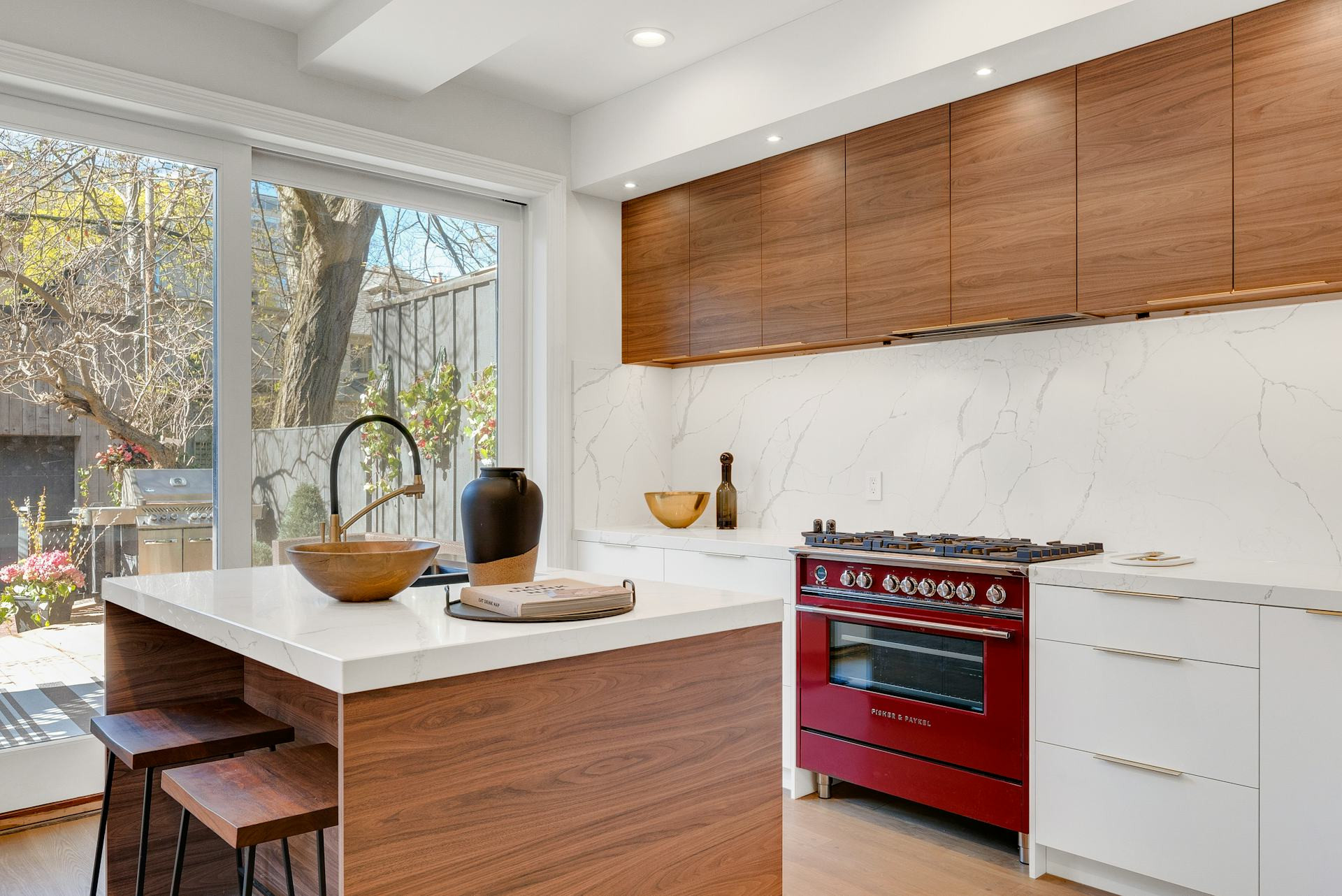
Light at Work: How to Create the Best Kitchen Lighting
The kitchen is one of the most active spaces in any home — a place for cooking, gathering, and connecting. Good lighting is essential not only for functionality but also for creating a warm and inviting atmosphere. The right setup helps you see clearly when you’re chopping vegetables, but it also makes the space feel comfortable when you’re enjoying a quiet evening. Here’s how to design kitchen lighting that works beautifully from morning to night.
Think in Layers, Not Just One Light
A single ceiling fixture in the middle of the room rarely provides enough light. Instead, aim for layered lighting — a combination of different types that serve distinct purposes:
- Ambient lighting – the general illumination that brightens the entire room. This might come from recessed lights, flush mounts, or ceiling fixtures.
- Task lighting – focused light for work areas like countertops, the stove, and the sink.
- Accent or mood lighting – softer light that adds warmth and depth, such as under-cabinet strips, shelf lighting, or decorative pendants.
When you combine these layers, you create a flexible lighting environment that adapts to everything from meal prep to late-night conversations.
Task Lighting: See What You’re Doing
Task lighting is crucial for safe and efficient cooking. You want bright, even light without harsh shadows.
- Install LED strips or puck lights under upper cabinets to illuminate the countertop directly.
- Choose a neutral white color temperature (around 3000–4000 Kelvin) for accurate color rendering and clear visibility.
- Avoid glare, especially on glossy surfaces. Fixtures with frosted covers or indirect light can help.
If you have a kitchen island, consider pendant lights that provide both functional brightness and a stylish focal point.
Ambient Lighting: Balance and Brightness
Ambient lighting sets the overall tone of the room. It should make the space feel open and balanced.
- Recessed ceiling lights offer a clean, modern look and can be spaced evenly for consistent coverage.
- Track lighting or adjustable fixtures let you direct light where it’s needed most.
- In traditional kitchens, a central pendant or chandelier can add warmth and character.
Pay attention to dark corners — even light distribution makes the kitchen feel larger and more comfortable.
Mood Lighting: Create a Cozy Atmosphere
Today’s kitchens are social spaces as much as workspaces. Once dinner is done, you’ll want lighting that feels relaxed and inviting.
- Use dimmable bulbs or smart dimmers to adjust brightness easily.
- Opt for warm light (around 2700 Kelvin) to create a soft, welcoming glow.
- Add small lamps, wall sconces, or LED strips inside glass cabinets or open shelves for depth and ambiance.
A good trick is to leave some lights on low while others are dimmed — it gives the room a layered, lived-in feel.
Choosing the Right Bulbs
The bulb you choose affects both the quality of light and your energy use. LED bulbs are the best option today: they’re energy-efficient, long-lasting, and available in a wide range of brightness and color tones.
When selecting bulbs, look for:
- Brightness (lumens) – higher lumens mean more light. For task areas, aim for 500–800 lumens per fixture.
- Color temperature (Kelvin) – cooler light for work, warmer light for relaxation.
- Color rendering index (CRI) – a CRI above 90 ensures that food and materials look natural and vibrant.
For a cohesive look, use the same type of bulb throughout the kitchen to avoid mismatched tones.
Smart Controls and Modern Convenience
Smart lighting systems make it easy to tailor your kitchen’s mood and efficiency. Brands like Philips Hue, LIFX, and GE Cync let you control brightness and color temperature through an app or voice assistant.
You can set up:
- Bright, energizing light for morning routines.
- Warm, dimmed light for dinner or entertaining.
- A gentle nightlight that turns on automatically when you enter the kitchen after dark.
These systems add comfort, save energy, and make your lighting as adaptable as your lifestyle.
Læs også:
Lighting as Part of Your Design
Lighting isn’t just practical — it’s a key design element. Fixtures can highlight your style, whether you prefer sleek modern lines, rustic farmhouse charm, or industrial chic.
Consider materials like glass, brass, or matte black metal to add texture and contrast. Remember that natural daylight changes throughout the day, so your artificial lighting should complement it rather than compete with it.
A Kitchen That Works All Day
The best kitchen lighting is versatile. In the morning, you need bright, clear light to get started. In the evening, you want a softer glow that invites you to linger. By layering ambient, task, and mood lighting, you can create a kitchen that’s both functional and beautiful — a space that works perfectly, no matter the time of day.
Læs også: