Sensory Design – When Materials, Scents, and Sounds Create Atmosphere

Sensory Design – When Materials, Scents, and Sounds Create Atmosphere
When we step into a room, we often feel it before we truly see it. The scent of wood, the sound of footsteps on a certain floor, the texture of fabric against our skin – all of these details shape how we experience a space. Sensory design is about creating atmosphere through materials, scents, and sounds, turning a house into a place that feels alive and deeply personal.
Materials That Speak to the Senses
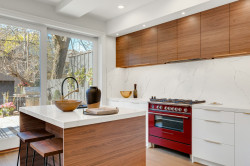
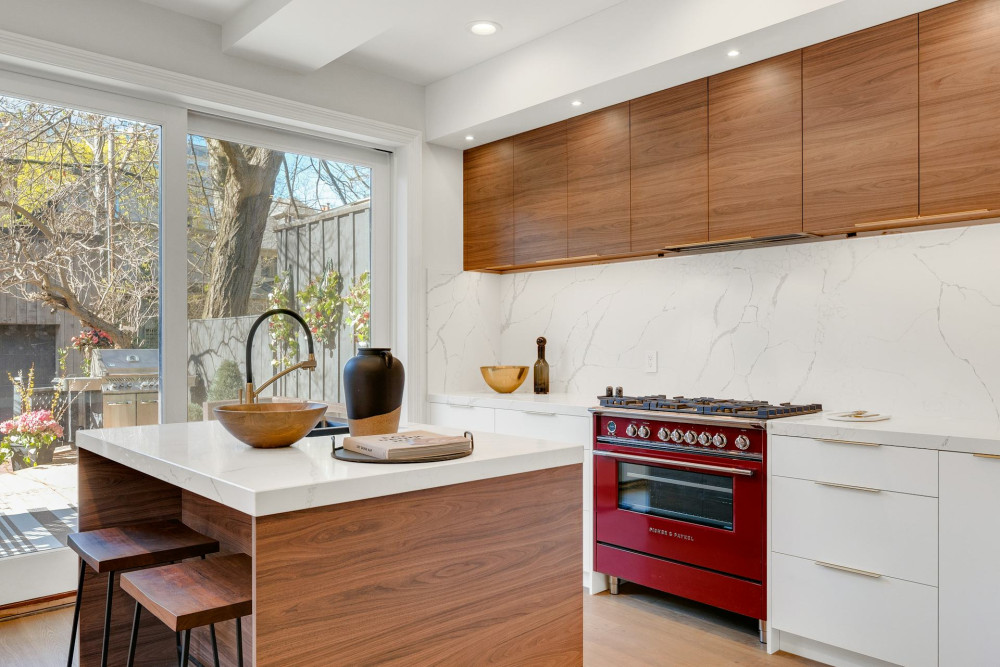
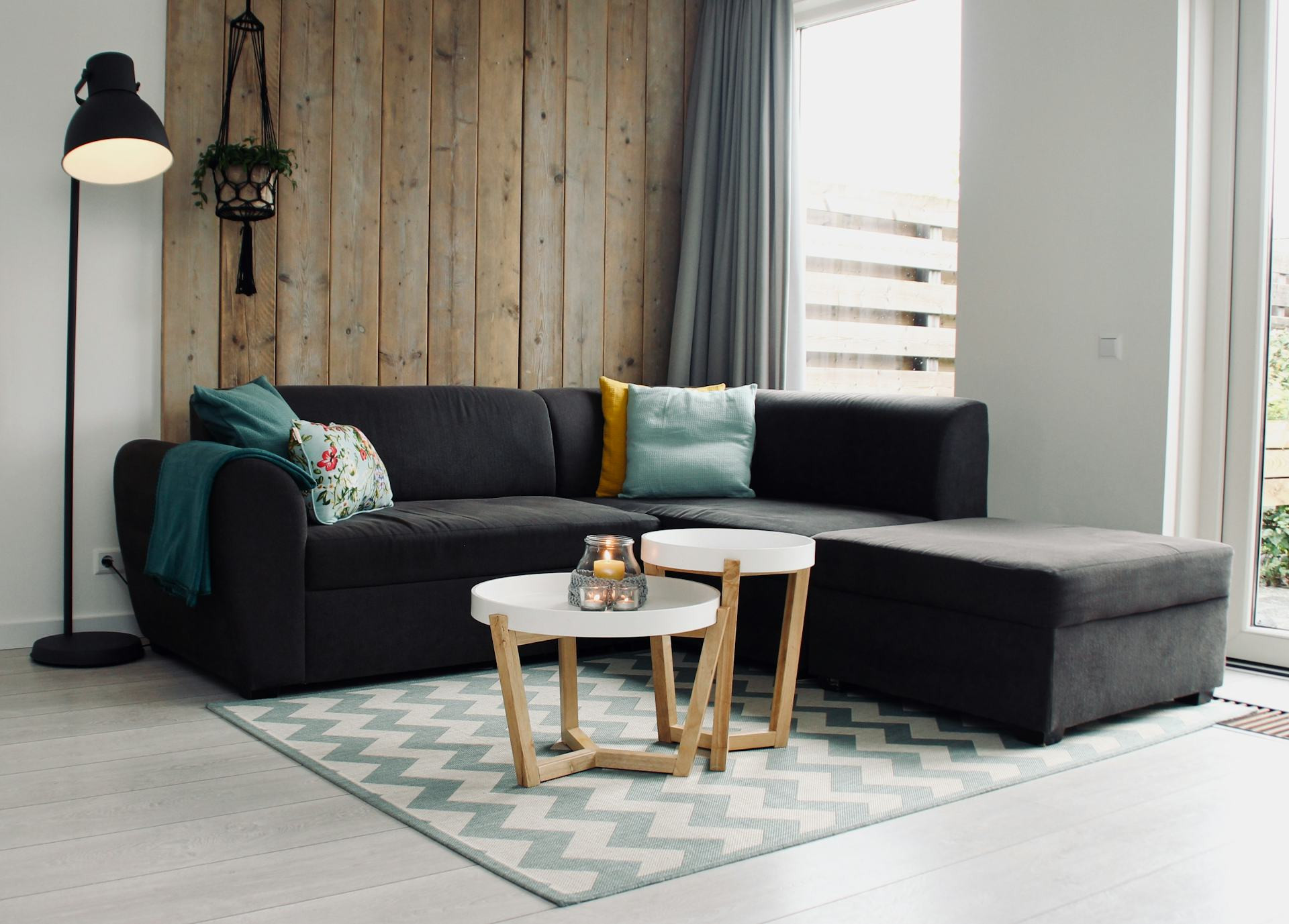
Materials form the foundation of any sensory experience. They influence both the look of a room and how we physically interact with it. A hardwood floor feels warm and organic, while stone or concrete brings a sense of calm and coolness. Textiles like wool, linen, and cotton add softness and tactile variety.
When choosing materials, think in contrasts: smooth versus rough, warm versus cool, hard versus soft. These differences create balance and depth. A space where every surface feels the same can quickly become flat, but when textures play together, the room gains character and life.
Nature is a great source of inspiration. Wood, clay, stone, and natural fibers have an authenticity that synthetic materials often lack. They age beautifully, telling a story of time and use – a story that makes a home feel lived in and loved.
The Role of Scent in Atmosphere
Scent is one of the most powerful senses when it comes to mood. It can evoke memories, calm the mind, or energize the body. In design, scent can be used intentionally – not as decoration, but as an integral part of the atmosphere.
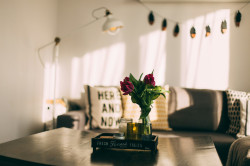
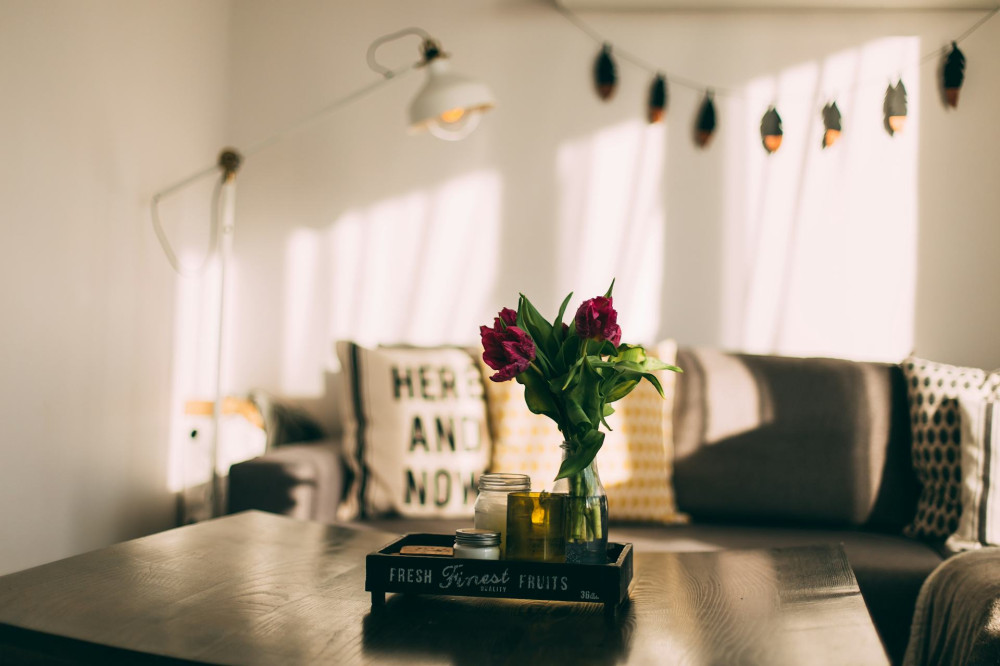
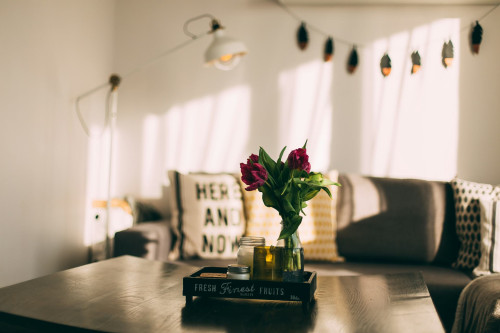
Fresh flowers, candles, essential oils, or even the smell of freshly brewed coffee can transform how a room feels. Consider how scent fits the function of each space: a crisp citrus in the kitchen, lavender in the bedroom, or earthy wood notes in the living room.
The key is subtlety. A gentle, natural scent that lingers softly in the background can be far more inviting than a strong, artificial fragrance.
Sounds That Shape Calm and Rhythm
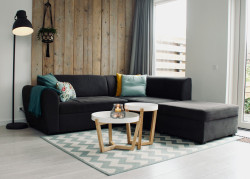
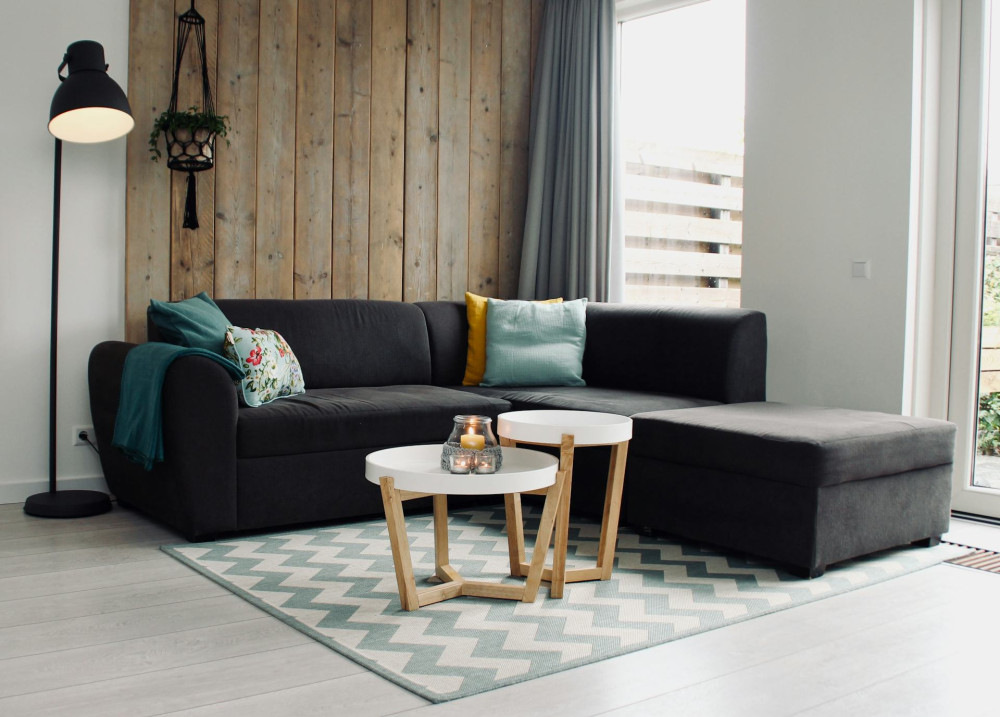
Sound is often overlooked in interior design, yet it has a profound effect on how we feel. Rooms with hard surfaces can echo and feel cold, while rugs, curtains, and upholstered furniture absorb sound and create a softer, more comfortable acoustic environment.
Think about the sounds you want to live with. Maybe it’s the crackle of a fireplace, the hum of a record player, or the quiet rhythm of rain against the window. You can even bring in nature-inspired sounds – birdsong or flowing water – to create a sense of peace.
Technology can help, but balance is key. A home that allows for moments of quiet can be just as sensory as one filled with sound.
Light and Temperature – The Overlooked Senses
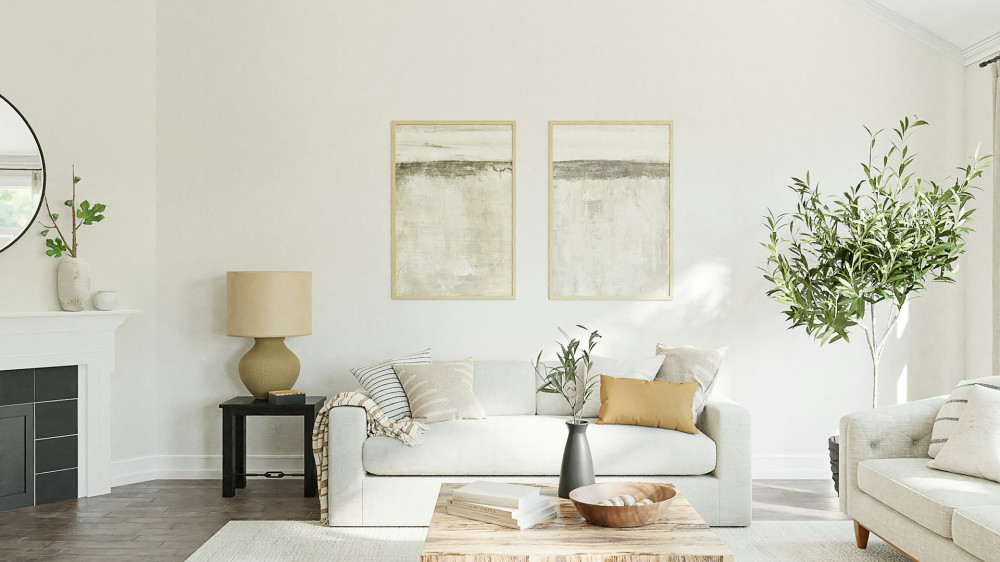
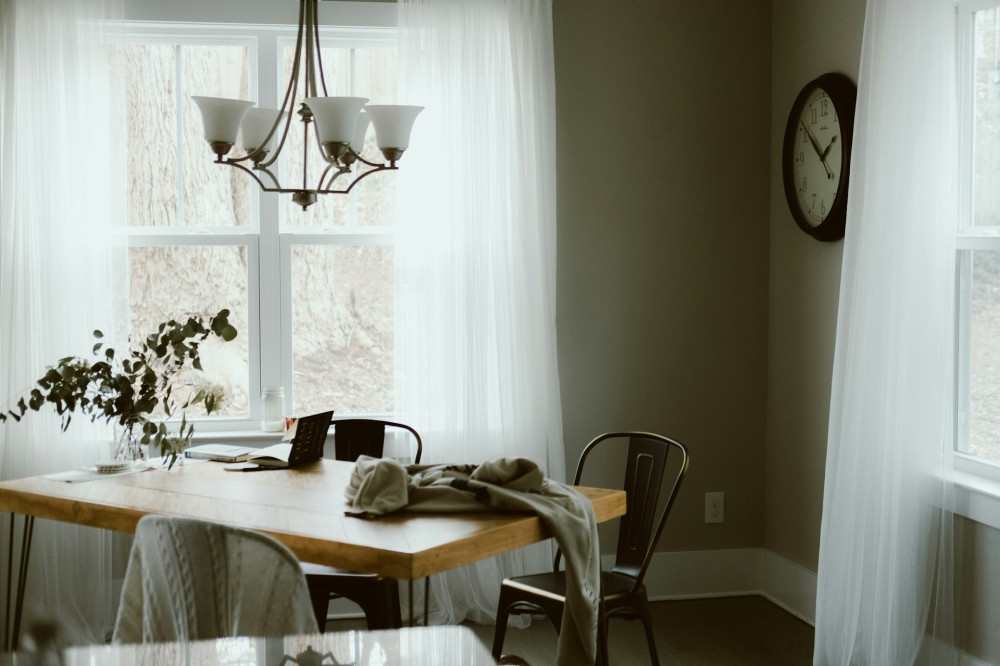
While materials, scents, and sounds often take center stage, light and temperature also play vital roles in atmosphere. Natural light brings energy and clarity, while dimmed lighting creates intimacy. Use warm-toned lamps in living areas and cooler light in workspaces to support different moods and activities.
Temperature shapes comfort too. A cool bathroom can feel refreshing, while a warm bedroom might feel heavy. Adjusting both light and warmth helps reinforce the feeling you want to create in each space.
Læs også:
Designing a Home That Feels Alive
Sensory design isn’t about following trends – it’s about creating a home that feels right for you. Start by paying attention: Which materials make you feel grounded? Which scents remind you of comfort? Which sounds help you relax?
When you design with your senses as your guide, your home becomes more than a visual project. It becomes an experience that engages your whole body – a place where you can breathe deeply, unwind, and truly feel at home.
Læs også: