New Flavors in the Kitchen: Explore Exciting Ingredients from Around the World

New Flavors in the Kitchen: Explore Exciting Ingredients from Around the World
American kitchens have never been more diverse than they are today. Once dominated by familiar staples like potatoes, chicken, and corn, grocery stores and farmers’ markets now offer a dazzling array of ingredients from every corner of the globe. From Japanese miso and Korean gochujang to Mexican tomatillos and Ethiopian teff flour, the world is truly at your fingertips. But how can you bring these new flavors into your own cooking, and where should you start?
A World of Flavor at Home
Exploring new ingredients isn’t just about following food trends—it’s about expanding your palate and finding fresh inspiration for everyday meals. Many ingredients that were once hard to find are now available in mainstream supermarkets or online.
- Miso – a Japanese paste made from fermented soybeans, known for its deep umami flavor. Try it in soups, marinades, or salad dressings.
- Gochujang – a Korean chili paste that’s both spicy and slightly sweet. It adds warmth and complexity to stir-fries, grilled meats, or even burgers.
- Tahini – a sesame paste from the Middle East, perfect for hummus, baked goods, or creamy dressings.
- Teff flour – a gluten-free flour from Ethiopia with a nutty flavor, great for pancakes, waffles, or hearty breads.
- Tomatillos – small green fruits from Mexico that bring a bright tang to salsa verde and roasted dishes.
By combining these global ingredients with familiar American staples, you can create dishes that feel both adventurous and comforting.
Læs også:


Getting Started
Trying new flavors doesn’t have to be intimidating. Start small by adding one or two new ingredients to your favorite recipes.
- Stir a spoonful of miso into mashed potatoes for a savory twist.
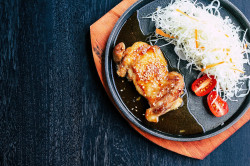
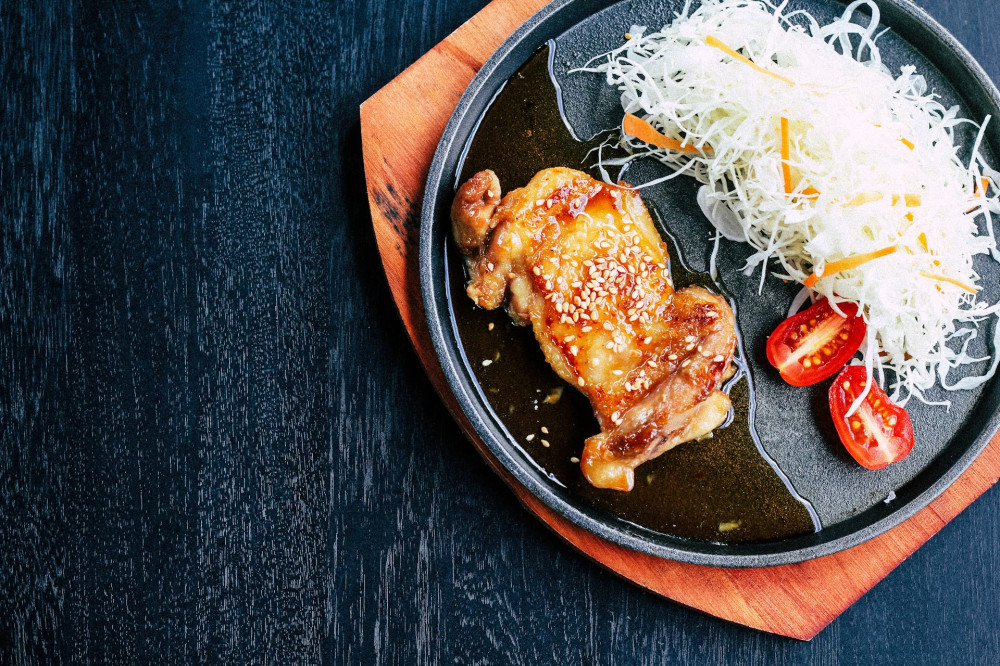
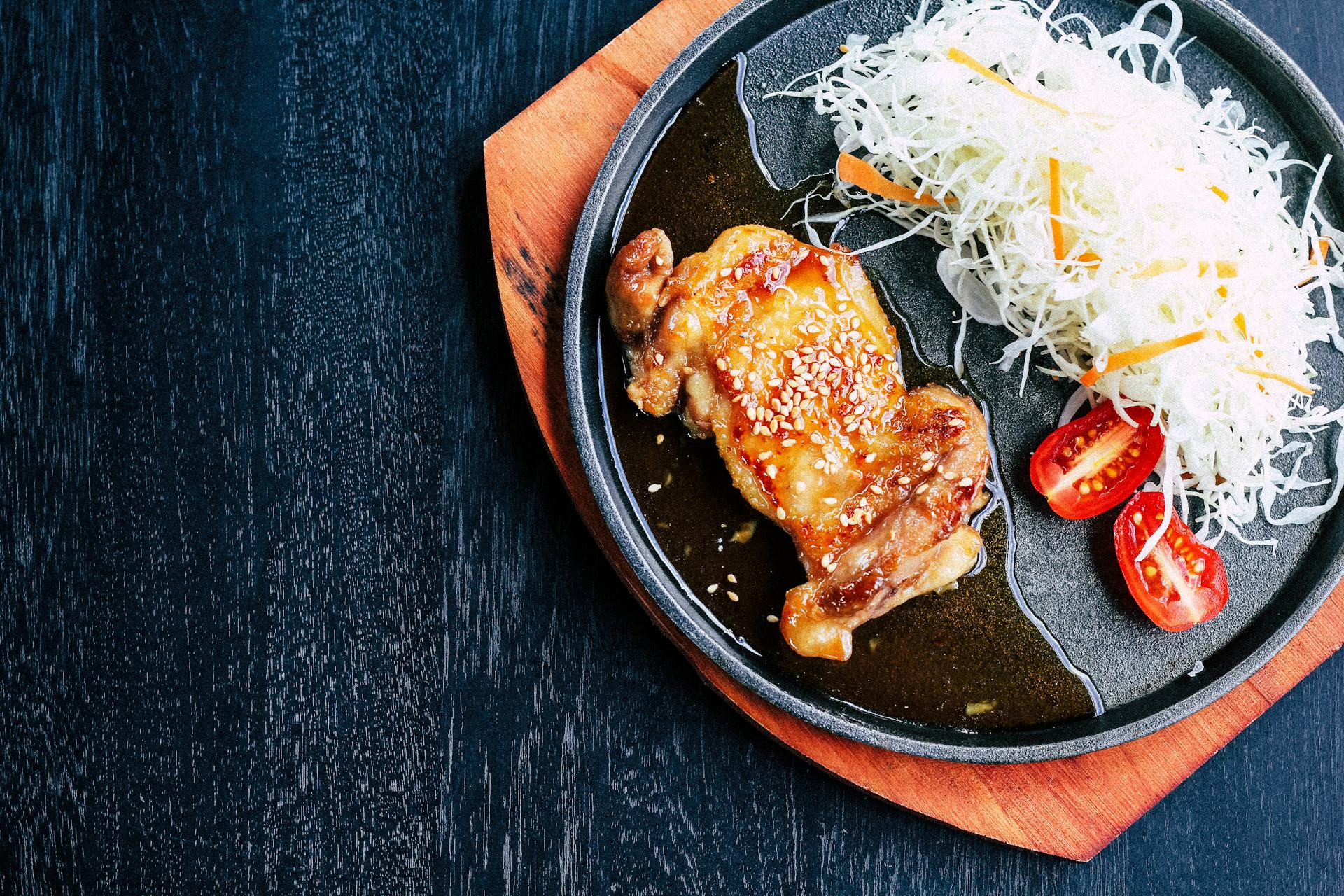
- Make a gochujang glaze for grilled chicken instead of your usual barbecue sauce.
- Swap tahini for mayonnaise in a salad dressing for a nutty, plant-based alternative.
- Bake teff pancakes and top them with local berries or maple syrup.
Once you start experimenting, you’ll find that many of these ingredients blend beautifully with American cooking traditions.
Fermentation and Spices: The New Stars
One of the biggest trends in modern cooking is fermentation—an ancient technique that’s making a comeback. Kimchi, kombucha, and sourdough are just a few examples of fermented foods that have become kitchen staples across the U.S. Fermentation not only adds complex flavor but can also support gut health thanks to its natural probiotics.
Spices are another key part of the global flavor movement. While salt and pepper remain classics, more home cooks are discovering complex spice blends like ras el hanout from North Africa, garam masala from India, and za’atar from the Middle East. These blends can transform even the simplest dishes into something extraordinary.
Sustainability and Curiosity in the Kitchen
Exploring new ingredients is also about cooking more sustainably. Many of the trending global foods are plant-based and can serve as satisfying alternatives to meat. Lentils, chickpeas, tofu, and jackfruit are all excellent sources of protein used in cuisines around the world.
By drawing inspiration from global cooking traditions, you can find new ways to eat greener without sacrificing flavor. At the same time, you’ll be supporting a more diverse and sustainable food culture.
Make It an Experience
Cooking is a sensory adventure. Invite friends or family to join you—host a themed dinner night featuring dishes from a specific country, or visit a local international market and see what catches your eye. Ask the staff for recommendations, and don’t be afraid to experiment.
The most important ingredient is curiosity. New flavors take a bit of courage, but the reward is worth it: a kitchen filled with color, aroma, and life—and a taste of the world right at your table.
Læs også: