Vegetarian Curiosity – Discover the Joy of Experimenting with New Dishes

Vegetarian Curiosity – Discover the Joy of Experimenting with New Dishes
Across the United States, more people are choosing to eat less meat—whether for health, environmental, or ethical reasons. But for many, it’s not about becoming fully vegetarian. It’s about curiosity: exploring new flavors, discovering creative ways to cook, and finding joy in the process. Vegetarian food can be colorful, satisfying, and full of variety—if you’re willing to step outside your comfort zone and experiment.
Taste First – It’s About Discovery, Not Deprivation
One of the biggest misconceptions about vegetarian food is that it’s about giving things up. In reality, it’s about discovering something new. When you take meat off the plate, you open the door to a world of vegetables, legumes, grains, and spices that can surprise you with their depth and flavor.
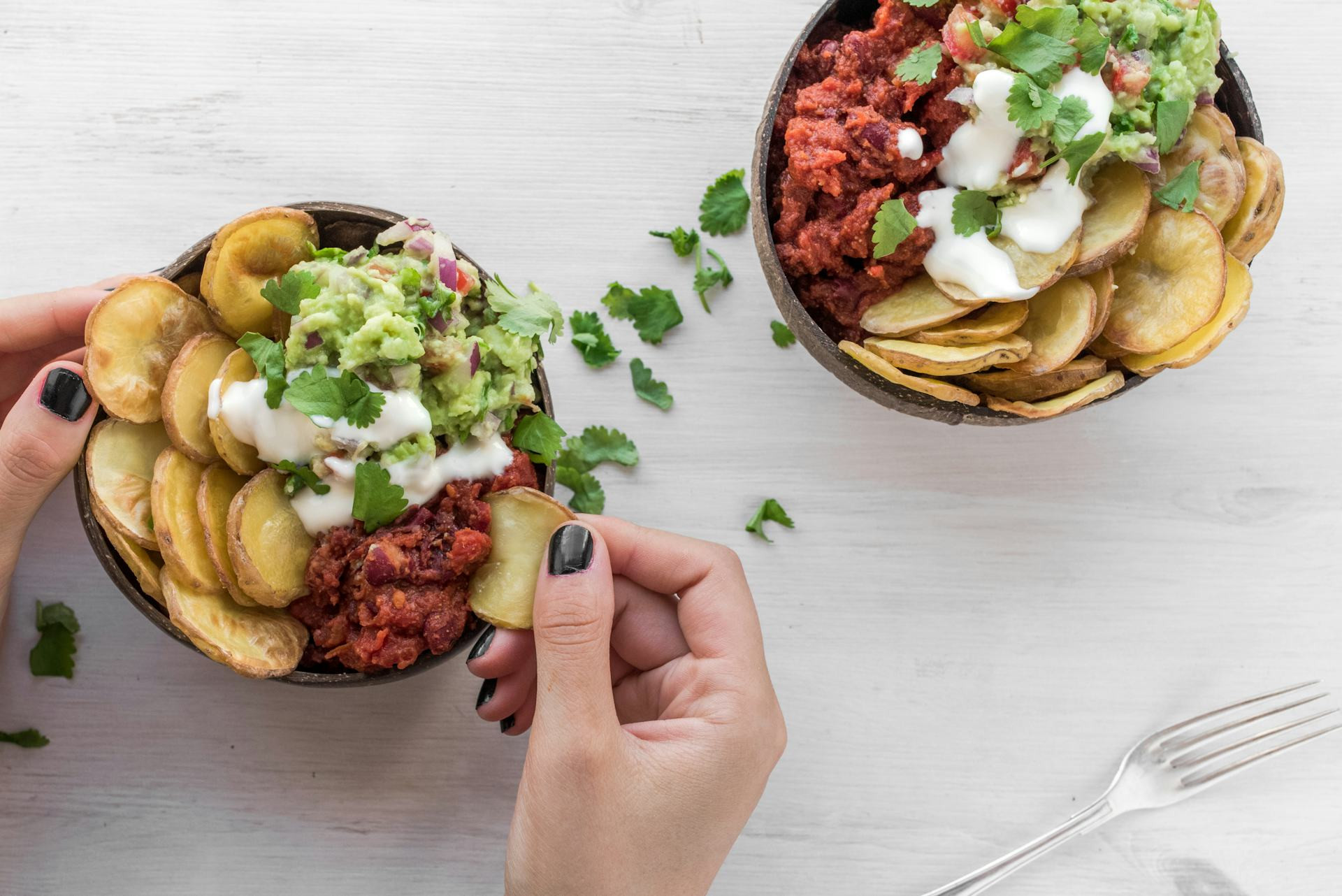
Start with dishes you already love. A hearty chili can easily become a chili sin carne with black beans, corn, and sweet potatoes. A classic lasagna can be made with lentils or roasted vegetables instead of ground beef. The flavors can still be rich and comforting—just in a different way.
Let Vegetables Take Center Stage
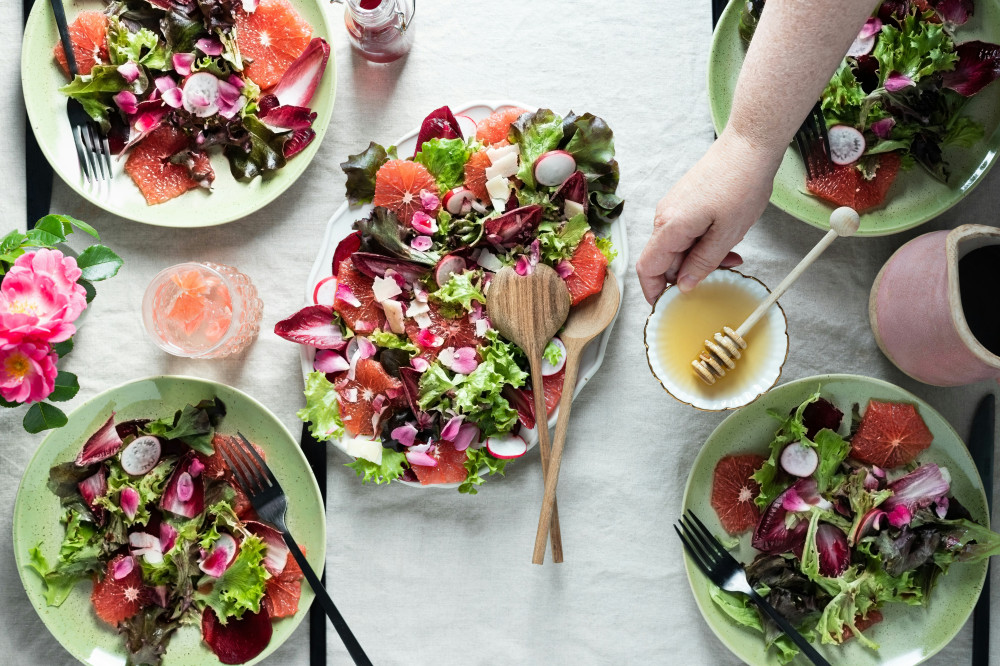
In many American kitchens, vegetables have long been treated as side dishes. But in a vegetarian kitchen, they become the stars. All it takes is a bit of creativity and a willingness to experiment.
- Roast your veggies – cauliflower, carrots, and squash develop a deep, caramelized flavor in the oven.
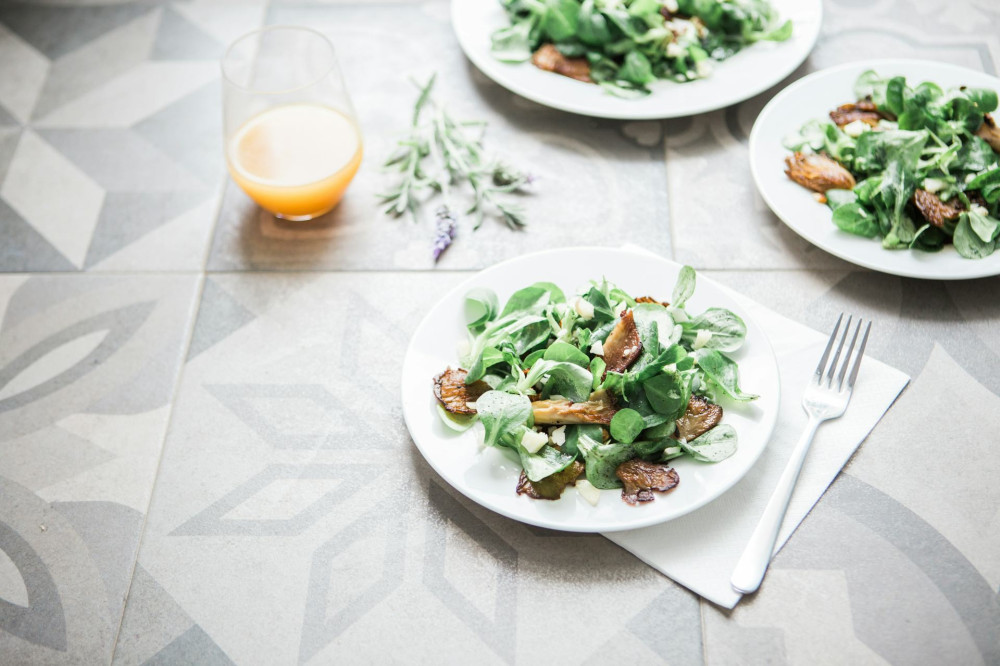
- Grill or sauté mushrooms, asparagus, or corn for a smoky, satisfying taste.
- Play with textures – crunchy nuts, creamy sauces, and fresh herbs can make a dish come alive.
Once you start treating vegetables as the main event, you’ll realize they can be just as filling and flavorful as meat.
Protein Without Meat – More Options Than You Think
A common question about vegetarian eating is, “Will I get enough protein?” The answer is yes—if you mix things up. Beans, lentils, and chickpeas are excellent sources of plant-based protein and can be used in soups, stews, salads, or even burgers.
Tofu, tempeh, and seitan are also great options that can be marinated, grilled, or stir-fried. Don’t forget about quinoa, nuts, and seeds—they’re small but mighty, adding both protein and healthy fats to your meals.
Læs også:


Spices Make the Difference
If you want your vegetarian dishes to shine, spices are your best friends. They can transform a simple meal into something extraordinary. Look to global cuisines for inspiration—Indian, Middle Eastern, and Asian cooking have long traditions of making vegetables and legumes the stars of the show.
A pinch of cumin, a sprinkle of smoked paprika, or a spoonful of tahini can elevate a dish instantly. And don’t underestimate the power of acidity—lemon juice, lime, or a splash of vinegar can bring brightness and balance to your plate.
Keep It Simple for Everyday Cooking
Eating more plant-based meals doesn’t have to be complicated or time-consuming. Make big batches of soups, lentil stews, or roasted vegetable bowls that you can enjoy for several days. Keep pantry staples like canned beans, tomatoes, rice, and spices on hand—so you can whip up a quick, nourishing meal anytime.
Try planning one or two meatless days each week. It’s an easy way to experiment without feeling like you have to change your entire diet overnight.
Enjoy the Process – Stay Curious
Exploring vegetarian food isn’t just about recipes—it’s about curiosity. It’s a chance to discover new ingredients, try unexpected flavor combinations, and realize how much variety the plant-based world has to offer.
Give yourself permission to play, to make mistakes, and to try again. The more you experiment with colors, textures, and tastes, the more you’ll see that vegetarian cooking isn’t a limitation—it’s an invitation to creativity and joy.
Læs også: